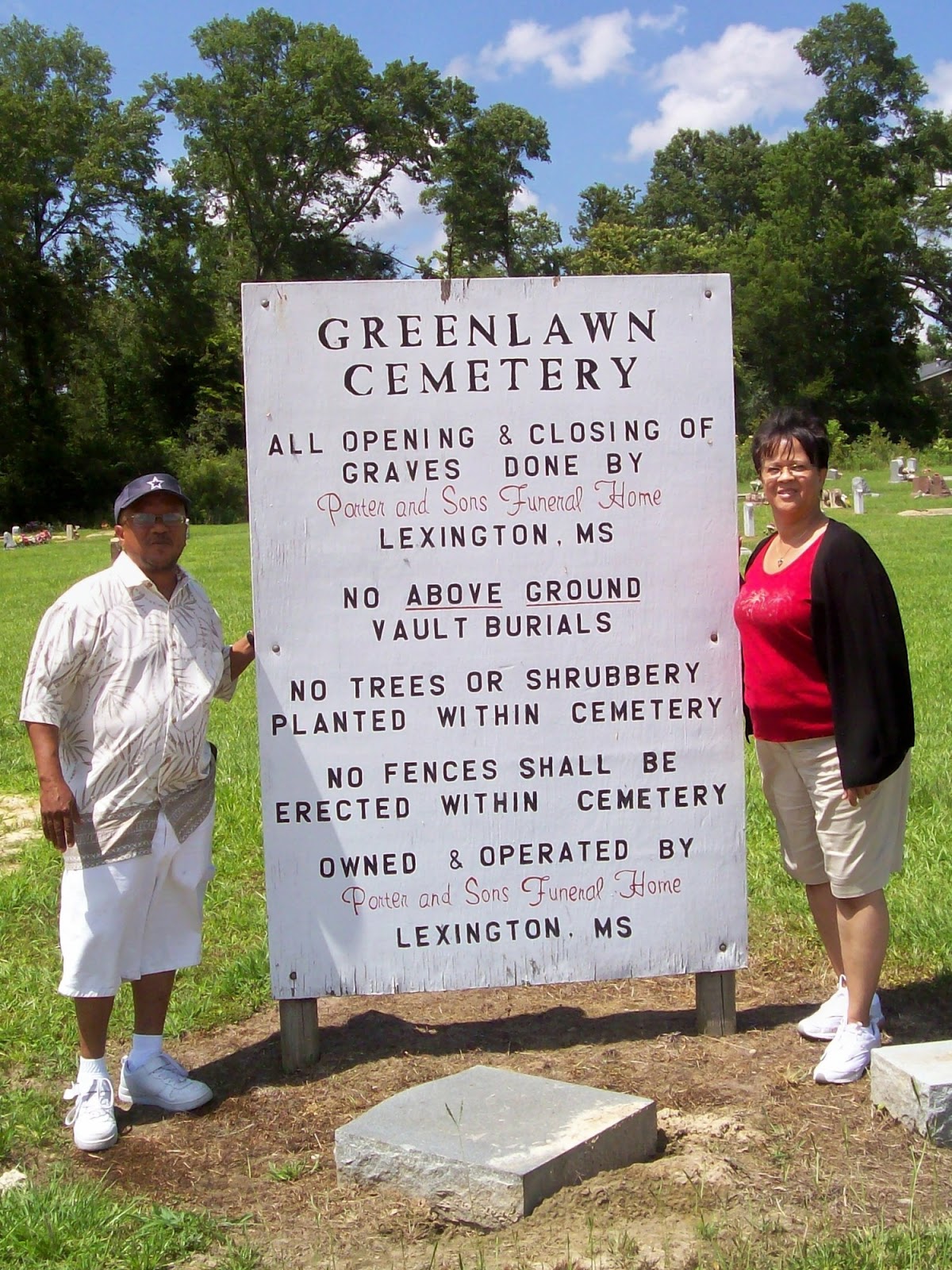
I googled a bit and found....
MISSISSIPPI TO AFRICA....
Mel's Roots Diggin' Site
I just love this tree... and Mel's researc tips!!!
Research, Study, and Analyze Federal Census Records
Armed with names, dates, and places, head to the place that has census records. Such places include state archives departments, city libraries, libraries at some major universities/colleges, family history centers, national and regional archives, etc. Don't forget to take some money with you for copying purposes. Also, for a fee, you can access census records online at Ancestry.com.
The 1940 census is the latest census that was made available to the public on April 2, 2012. See http://www.1940census.net/. Work from the known to the unknown by starting with the 1940 census and continue to the 1930, 1920. 1910, 1900, 1880, and the 1870 census. Unfortunately, the 1890 census was destroyed in a fire. Censuses prior to 1870 only included whites and free people of color. If you are viewing microfilmed census records instead of the digital images on Ancestry.com, a soundex is available for the 1930, 1920, 1910, 1900, and 1880. Locate your family in the soundex first, which will tell you exactly where to find them on the county census records. However, the 1880 soundex only contain families with at least one child who was 10 years old or younger. If you can't find your folk in the 1880 soundex, then browse through the 1880 county census. Also, be aware that a lot of county boundaries changed. It is possible that families found in the 1870 census were in the 1880 census of another county and they never moved.
When you find your family in the census, make photocopies of that page and several of the pages before and after that one. Pay attention to their neighbors. It was common for family members to live close to each other. Plan to go back and view the census records again and again and again. Trust me, you won't regret it. I've found many family members just browsing the census in a specific area where I knew most of my family lived. Ask older family members about the names of the other families you will find living near your ancestors. They may be able to identify them. Also, record all of the families that have the same surnames as your ancestors who were living in the same county, especially the same district.
The following information was recorded in the 1880, 1900, 1910, 1920, 1930, & 1940 Census records:
• Name (head of household)
• Names of the people in the household and the relationship to the head of household
• Sex, Race, Age
• Marital status
• Number of years married (may not have been asked in some counties in 1880) or the age when first married (asked in 1930 and 1940)
• Place of birth
• Place of birth of father and mother (not recorded in the 1940 census)
• Occupation
The following additional information was recorded in the 1900 Census records:
• Month and year of birth
• Number of children a mother had given birth to and how many of those children are living (also asked on the 1910 census)
The 1870 Census records only provide the following information:
• Names
• Sex, Race, Age
• Place of birth
• Occupation
Note: The 1870 census does not list the relationships to the head of household.
The 1870 Census is very important in African-American genealogy research. It was very often the first official record that recorded former enslaved African-Americans by their first name and last name. It is also important because the 1870 census was done just five years after slavery. Therefore, for most African-American adults found in the 1870 census records, they were enslaved just five years prior.
Many African Americans living together in the 1870 census had lived together earlier as a family group on their former enslaver’s farms/plantations and continued to depend upon these relationships even though some were not of blood relations. In 1870, you may often run across other families with the same last names as your ancestors. Some of them were blood relatives and some were not. However, it is very likely that all of them had labored on the same farm/plantation as slaves. Elderly family members may be able to determine which families were blood related.
The Ties That Bind: Finding a Link to
"The Beckley Five" of Pontotoc County, Mississippi
Researched and written by Melvin J. Collier
Search for other important documents.
Such important documents include:
• marriage records
• death certificates
• birth certificates
• family obituaries
• pension records
• Social Security applications
• Educable Children's Records (for Mississippi researchers)
• There are many more records to explore. Order Mississippi to Africa, A Journey of Discovery
to gain more insight.
From marriage records, maiden names can be learned. Also, in some counties, the marriage license applications can be found. Often, those documents list the parents’ names. Marriage records can be obtained from county courthouses and state archive departments. Pay attention to the other names of witnesses on marriage certificates. Often times, they were family members.
Death certificates are valuable because they contain information such as the name of the spouse, the father's name, the mother's maiden name, the birthplace, the birth date, the place of burial, etc. Also from birth certificates, the parents’ names and the place of birth can be learned. Those records are typically found at state vital records departments and at state archive departments.
If you have knowledge that an ancestor or relative may have fought in the Civil War, try to locate his pension records which are stored at the National Archives in Washington, D.C. Over 200,000 African-American men served in the Union Army. The pension records of these soldiers often contain a wealth of information. View the database at the USCT website.
Social Security applications are valuable sources. They contain the father’s name, mother’s maiden name, birthplace, etc. Their database can be accessed on the Social Security Death Index (SSDI) website with instructions on how to order applications.
The state of Mississippi did a census of all of the children called Educable Children's List. These lists were started in 1878, recording all of the names of all school-age children between the age of 5 and 21 years old for each county. The age and sex of each child were recorded. Most of the records were taken every 4 years. After 1878, the records were divided into districts and by household with the name of a guardian, typically a parent. Also, after 1878, the lists were racially divided. These records can be located at the Mississippi Department of Archives and History and also at some county courthouses. The 1885 - 1896 records are a good substitute for the 20-year-gap in the census that was caused with the destruction of the 1890 Census by fire.
Once you are able to uncover names of more family members from these documents, plan to search for them in the census records as well. Not only trace direct ancestors, it can also be beneficial to trace other relatives that were known by family members. On one occasion when talking with a family member, she mentioned the name of one of my paternal great-grandmother’s older brothers. I was able to find this relative in the census records. In his household was his mother. Tracing this relative led me to the name of another ancestor, a great-great-grandmother.